We are proud to spotlight the work and journey of Josie (Poiyuna) Garnie, a longtime member of the PC CARES Community Steering Committee and master PC CARES trainer. Garnie is a village-based counselor based in Teller, AK.
Data collection in rural Alaskan communities begins again
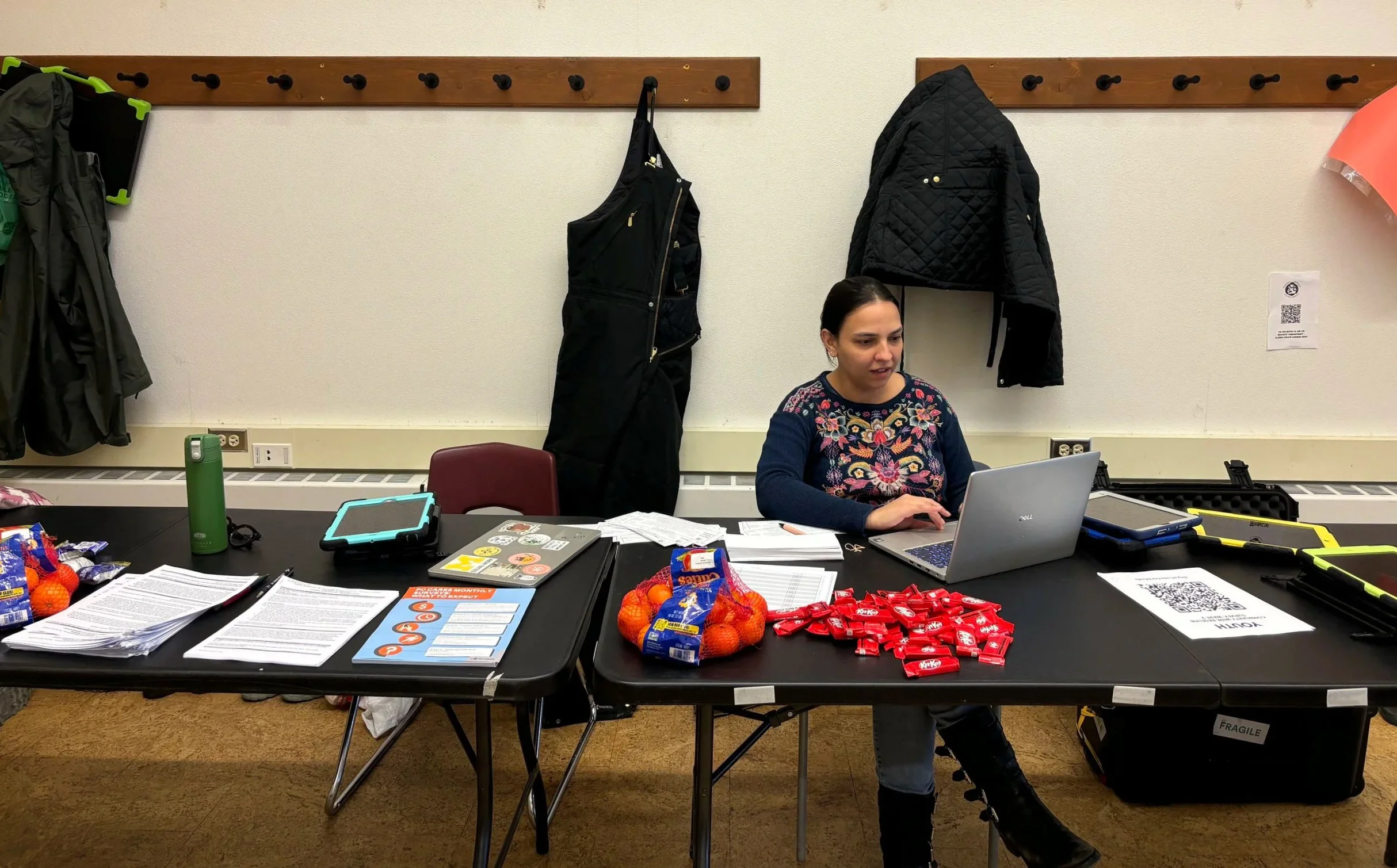
The next wave of IRINAH data collection has begun! PC CARES research staff traveled to four remote Alaskan villages over two weeks in October, enrolling over 300 adults and youth in the efficacy-implementation study of PC CARES. We exceeded our goals for how many people filled out PC CARES surveys. Recruitment exceeded overall goals for this wave of data collection.
Energized and ready: Facilitators complete PC CARES substance use prevention curriculum certification for the first time
“Learning with hope, acting on knowledge” Team Spotlight: Diane McEachern
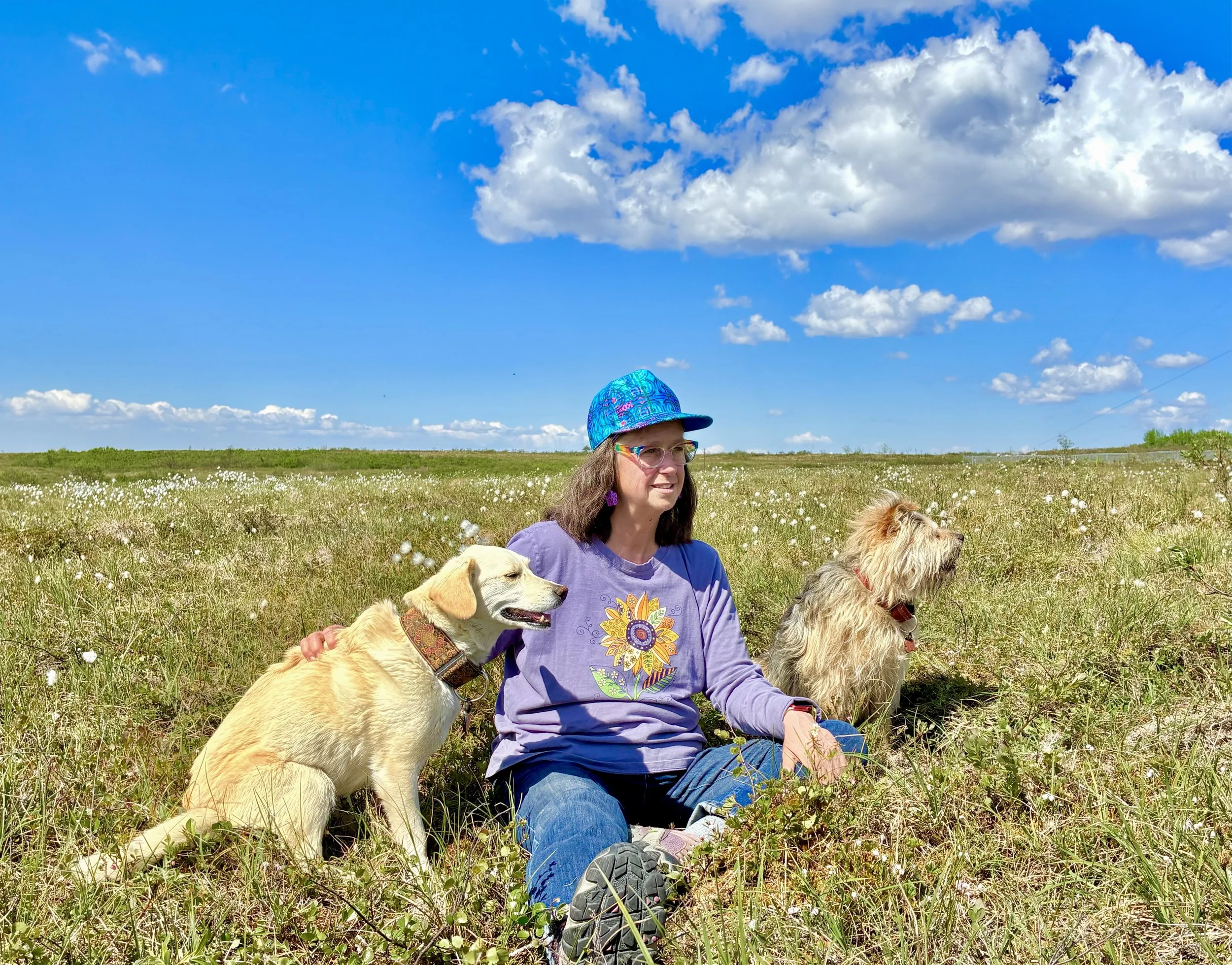
Michigan's first PC CARES Training of Facilitators a success

From June 1-5, the PC CARES Michigan team welcomed our first cohort of Training of Facilitators (ToF) participants, representing the Pokagon Band of Potawatomi, Nottowaseppi Huron Band of Potawatomi, Gun Lake Tribe, and AIHFS in Detroit to the University of Michigan's Institute for Social Research in Ann Arbor.
Team Spotlight: Lauren White
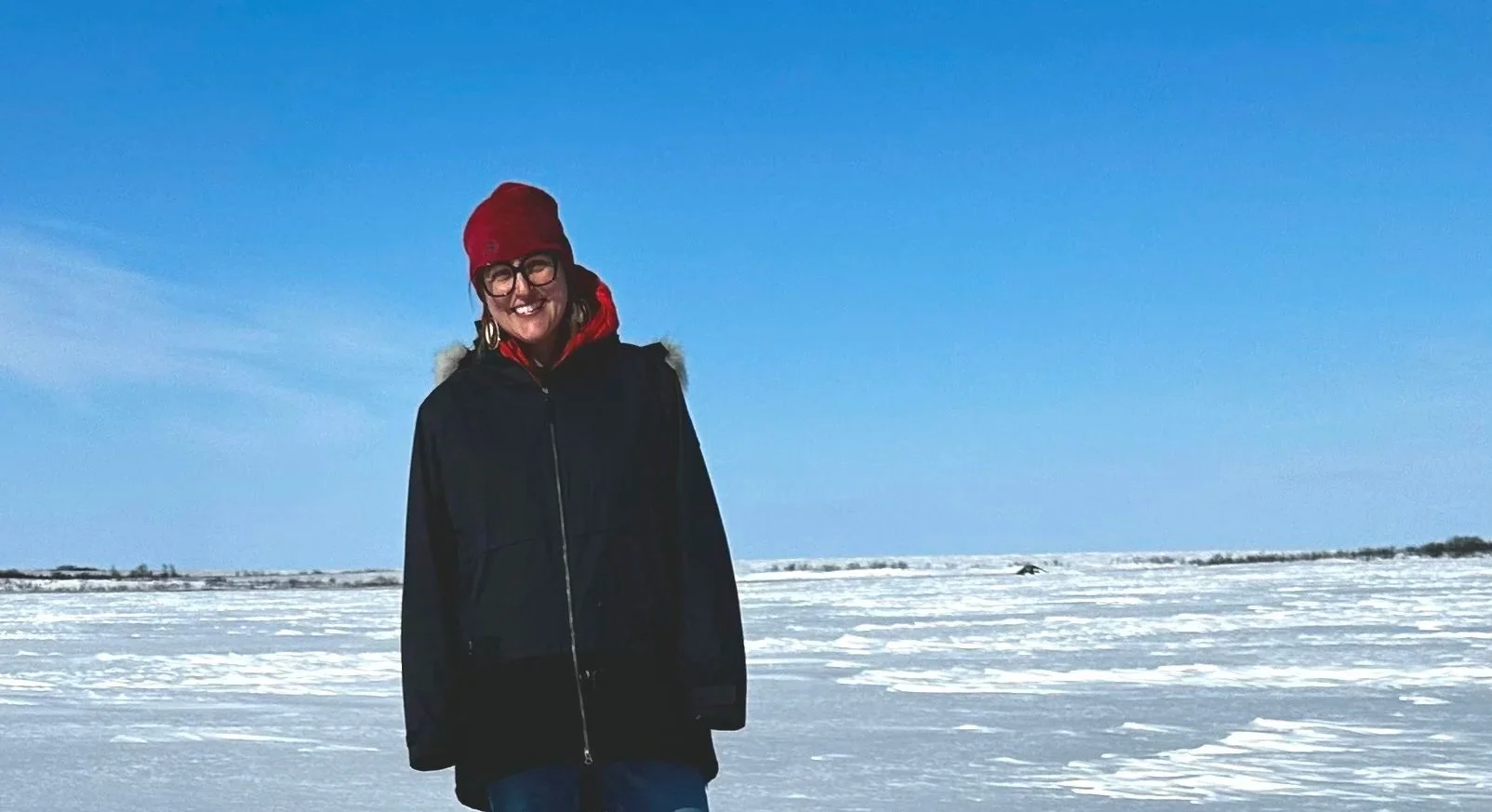
PC CARES–Michigan Project Kicks Off with Tribal Partners
The PC CARES-Michigan (MI) project kick-off meeting brought together thirteen staff and community members from four tribal communities: Nottawaseppi Huron Band of the Potawatomi, Pokagon Band of Potawatomi, Gun Lake Tribe, and Bay Mills Indian Community, for a 1.5-day gathering focused on relationship-building, shared learning, and planning.
“Anyone Can Play a Role”: Reflections from PC CARES-At-risk Substance Use Design Lab

Last month, our Community Advisory Board (CAB) and members of Yakama Nation Behavioral Health joined us for a three-day pilot of the PC CARES–ASU curriculum. The goal was simple: test the newest PC CARES curriculum — which focus on preventing at-risk substance use and overdose deaths — and gather feedback needed to refine the curriculum to make it actionable, culturally grounded, and community-centered.
New Learning Series Launches This Fall
In October 2025, PC CARES is launching a new five-session, interactive virtual series—Community-Driven Approaches to Prevent At-Risk Substance Use—designed for social work and public health students, community professionals, and partners working to prevent harmful substance use.
Building on the success of the PC CARES model in Alaska, this series connects participants across the country to explore scientifically informed, community-led prevention strategies that reflect the needs, strengths, and cultures of diverse communities.
PC CARES Expands to Urban AIAN Communities in Michigan
PC CARES Retreat 2025: Reflection, Renewal, and Strategic Growth

Adapting PC CARES to Address At-Risk Substance Use Across Alaska
PC CARES is currently in the first year of a four-year project focused on adapting the suicide prevention-focused PC CARES curriculum to prevent and address at-risk use (ASU) across Alaska. Through funding from the State Office of Substance Misuse and Addiction Prevention (OSMAP), the PC CARES team has been developing new Learning Circles that explore topics such as stigma, harm reduction, and the spectrum of substance use while centering community strengths and social safety nets.
Looking back to see impact: Numbers from previous PC CARES grant
During the 6-years of the R01 research grant from the National Institutes of Health, from 2018-2024:
Throughout the project, we provided 733 hours of training to community, academic, school, national, and international audiences, including five in-service trainings on suicide prevention and wellness promotion to 610 school staff.
We hosted Trainings of Facilitators in 2019, 2022 and 2024.
Local facilitator spotlight: Elena John sees PC CARES as an extension of her personal growth
Elena John, a current Rural Human Services (RHS) student at the University of Fairbanks Kuskokwim Campus, is helping drive local efforts to prevent suicide and promote wellness through her time facilitating PC CARES. Originally from Toksook Bay, John enrolled in the RHS program for both her personal growth and professional development.
Trainer’s perspective: Facilitator training in Bethel with Josie Garnie
Takeaways from Virtual PC CARES learning circles
Since its pilot in 2015, PC CARES has engaged over 500 trusted adults in community conversations to reduce suicide risk and build capacity for wellness throughout Northwest Alaska, the Bering Strait and Yukon-Kuskokwim Delta. Participants represent a variety of social roles—such as parents, teachers, providers, counselors, and community health workers—and have shown increases in their suicide prevention knowledge, preventative actions taken, and collaboration with others to promote youth wellness and suicide prevention.
PC CARES Learning circles debut at the University of Michigan
Over the last four months, PC CARES has been offered for the first time to members of the University of Michigan (UM) campus community. Learning Circles (LCs) took place in-person every month at the School of Social Work, with LC 2 occurring virtually over Zoom. These LCs were co-facilitated by Dr. Lisa Wexler and Dr. Elizabeth Evans.
PC CARES named a Suicide Prevention Best Practice by SPRC
Exciting news—PC CARES has been named a “Suicide Prevention Best Practice” by the Suicide Prevention Resource Center (SPRC)! The SPRC is a trusted library of suicide prevention resources and programs that have shown to be effective and are advancing health equity in the field. This recognition encompasses both the PC CARES Learning Circle curriculum and the Training of Facilitators (ToF) model. Our inclusion on the SPRC’s Best Practice Registry affirms the critical importance, value, and impact of centering community empowerment and engagement in suicide prevention.
“Living the Content”: KYUK Highlights Community Strengths Advancing Prevention
Jim Chaliak, University of Alaska-Fairbanks (UAF) Community Co-Investigator, and Dr. Diane McEachern, PC CARES Co-PI and UAF Professor, were featured on an episode of Wellness Wednesday with KYUK—the Yukon-Kuskokwim Delta Public Radio. They discussed and provided updates on three projects advancing community-centered suicide prevention throughout Alaska: "Because We Love You'" (BeWeL), "Alaska Native Collaboritive Hub for Research on Resilience" (ANCHRR), and "Promoting Community Conversations about Research to End Suicide" (PC CARES).
Planning meeting for IRINAH grant with Community Steering Comittee
Members of the PC CARES Community Steering Committee met in late April for an introduction to the project, new team members, and a review of recent findings and curriculum revision.

L-R back row: CSC members Leanna “Bubbles” Isaac, Evelyn Day and Roberta Moto, University of Michigan sjtudy staff and PhD candidate Lauren White, CSC member Diane McEachern, Valarie Pingayak, and Munick Chappel. Front row, L-R: PC CARES research team members Angel Zhong, Lisa Wexler, Elizabeth Evans, and Tara Schmidt.
On the first day, Lisa provided an overview of PC CARES and its evolution, highlighting some of the benefits: PC CARES structure with the Rural Human Services program provides lots of support for facilitators and helps PC CARES continue to grow; Individuals who are trained gain the confidence to facilitate learning circles in their communities; Facilitators have the freedom to make culturally appropriate adjustments that fit with their community.
We talked about considerations when expanding PC CARES to new populations or subject areas, including potential opportunities and challenges. We reviews the expending project that are pending or currently in progress.
Thinking about bringing PC CARES to new audiences, we shared our “elevator pitch” with each other in a quick, fun activity.
Finally, we talked about how to approach Tribal Nations for permission to conduct research and how to jsupport RHS student then they embark on this process themselves. The important of relationship-building with tribal councils was discussed, and potential barriers RHS nmay encounter and antidotes to those barriers.
On the second day, we tried out some new activities in the learning circle that discusses grief and postvention (LC4). After participating in learning circle demonstration, the group talked about what we liked and how to improve it. Lauren shared an overview of the Focus Groups that took place with RHS Students after doing PC CARES learning circles as their practicum project in 2023-24. Finally, each CSC member and staff member wrote a question our statement based on the meeting. It could be a question for participants, research staff, other CSC members, or for yourself, to revisit a few times in the weeks and months after out time together.
Download a more detailed meeting summary here.