We are proud to spotlight the work and journey of Josie (Poiyuna) Garnie, a longtime member of the PC CARES Community Steering Committee and master PC CARES trainer. Garnie is a village-based counselor based in Teller, AK.
In 2018, Josie Garnie, a village-based counselor (VBC) from Teller, traveled to Anchorage with a multi-generational team of community members to attend a PC CARES Training of Facilitators (ToF). The team included an Elder on her Tribal council and two young people – all passionate about promoting wellness in their region. A naturally more reserved person, Garnie wasn’t expecting to enjoy facilitating, but the community-driven and relational approach of PC CARES inspired her to get involved.
“I'm really shy, and I don't like speaking in front of people, especially back then. But I really believed in [PC CARES] so much so that I pushed myself to get up and speak, and to lead, and to do the learning circles. Bringing people together and learning from each other is what I really liked. Every single circle I go to, I learn something,” said Garnie.
Having almost thirty years of experience serving as a VBC and behavioral health aide in her community, Garnie saw a real need for a model focused on hope and strengths like PC CARES.
“We really want to help. We have people that are hurting, and people that are dying, people that are our family, our friends. They're people that we love and care about. We want to do whatever we can to help. When I went to the first training of facilitators, it really fit. It's something that I could do to help.”
Garnie worked with her team to host their first learning circle in Teller, and each person contributed to ensure its success. Garnie recalled how the Elder was able to secure funding for snacks, and the young people stepped up to manage the technology and keep the agenda running on time. That experience exemplified the heart of PC CARES: everyone brings their own unique capabilities and insights to make it happen.
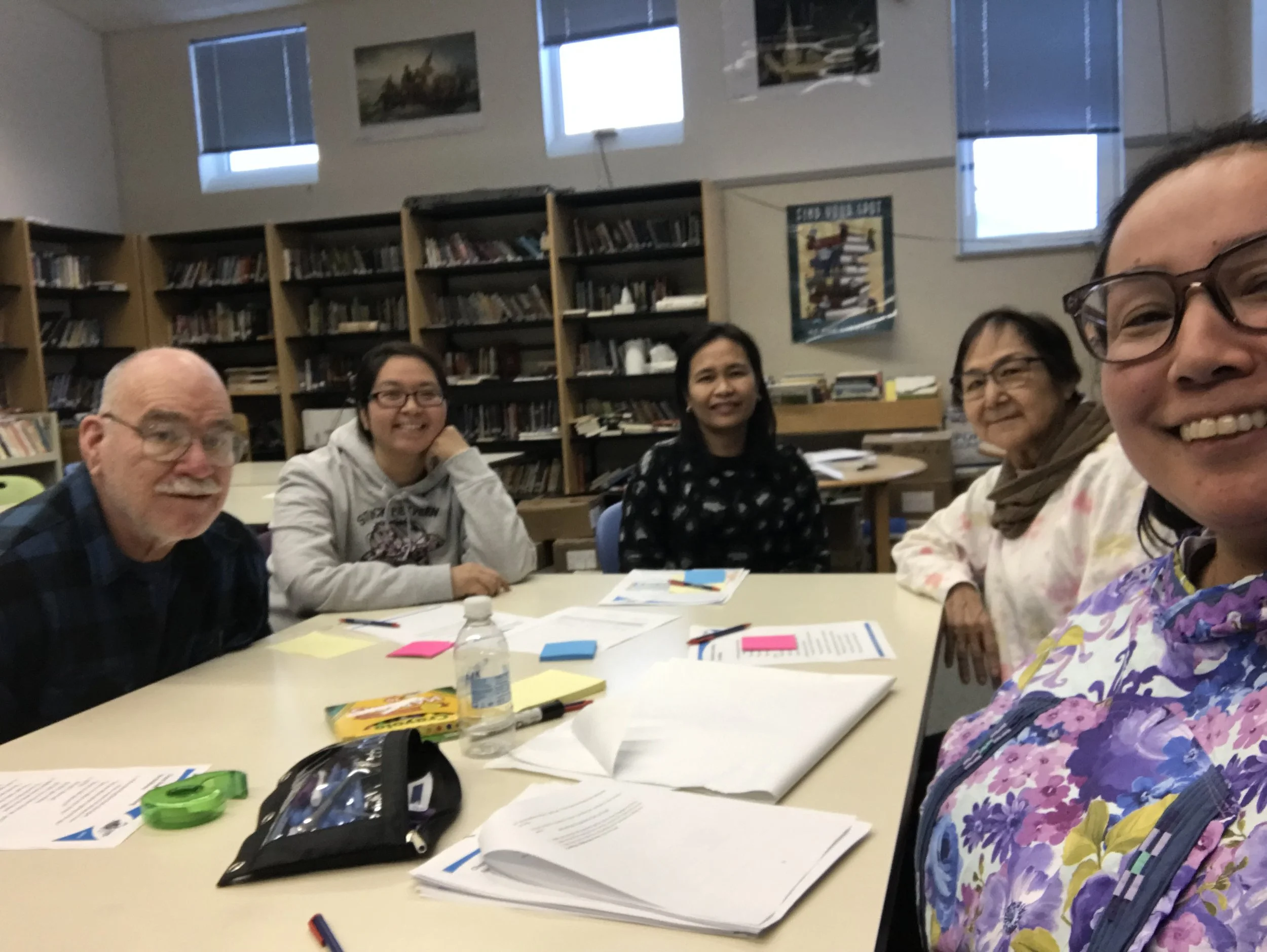
Josie with a group of PC CARES learning circle participants in Teller in 2019.
“The four of us all came together and used our strengths as facilitators, and we were able to do the learning circles there. We had agreed ahead of time that even if only one person came, that we'd honor that one person's time, and we'd have, we'd not cancel or reschedule. It went really well, and every learning circle we hosted after had more people come,” shared Garnie.
Garnie built on her success in Teller by hosting learning circles in other communities throughout the region – including trainings for community health aides in Nome – as a member of the PC CARES Community Steering Committee (CSC). Since joining the CSC, Garnie has been an integral part of the growth of PC CARES by helping collaboratively develop PC CARES curricula and even training other prospective PC CARES facilitators during subsequent ToFs.
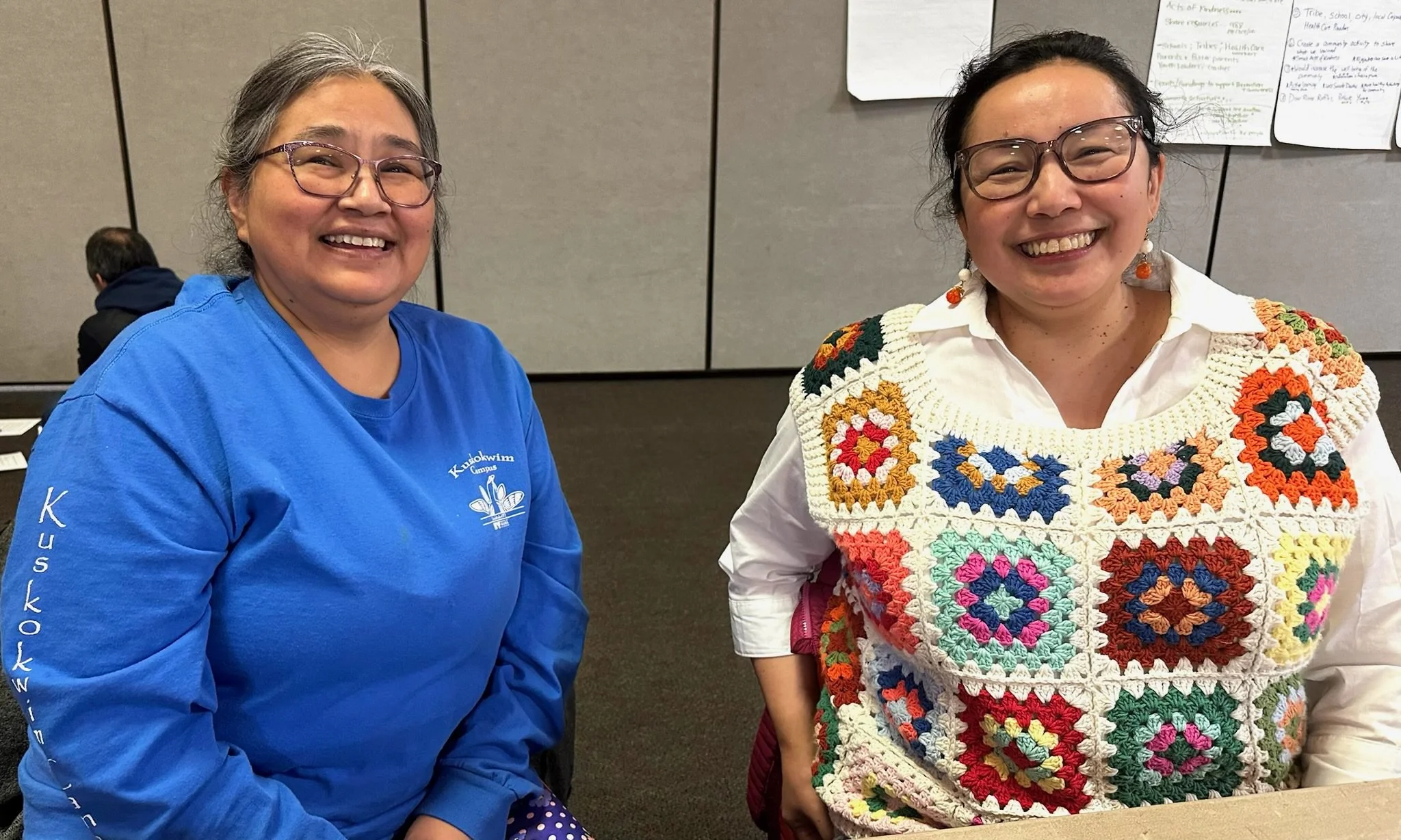
Josie and Roberta Moto (PC CARES co-developer, master trainer) at the Rural Human Services Training of Facilitators in Bethel in 2024.
“I help with the training of facilitators now. That’s something that’s evolved over time. In addition to being on the CSC and doing learning circles myself, I also help other people learn to do learning circles. I also review [PC CARES] materials, and everything is so thoughtfully done.
Everything is done with a lot of respect.”
One of Garnie’s favorite parts with PC CARES has been hearing from other community members about their experience participating in learning circles, and how important it is that PC CARES emphasizes local expertise and community-led change when talking about difficult topics. In one case, she facilitated three learning circles over the course of a week and, at the end, an attendee shared how hesitant they were initially about going to a suicide training, but changed their mind when they recognized the presenters.
“A participant shared that when they first saw the topic was suicide, they weren't going to attend. Then they saw it was local providers that were presenting. They knew us, and so they decided to give [PC CARES] a chance. They stayed through the learning circles and said that they were really glad they did and that they got a lot out of it. They didn’t want to do the training at first, but they did because it was two facilitators who were also from the region,” recounted Garnie.
For Garnie, PC CARES is community-engaged research done right: equal partnership and collaboration that honors local expertise and enacts cultural humility.
“I'm from a people that has been studied a lot. People who are not from here have written a lot of books about us. It feels good to be a part of something where we're partners. PC CARES was [Dr. Lisa Wexler’s] project in the beginning, but her generosity and the generosity built into the PC CARES model has made it so it belongs to everybody. The generosity of PC CARES shines through in the learning circles. PC CARES belongs to the communities. It belongs to the people who go to the learning circles. The involvement of everyone along the way, the respect towards communities in the process, has made PC CARES more valuable,” said Garnie.